脊髓損傷修復迎來新希望!中國醫大團隊開發精準奈米載體,促進神經修復與運動功能恢復
日期:2026-10-30
資料來源:研究亮點|謝明佑、邱正廸、陳曄、周德陽等研究團隊
分享:


脊髓損傷修復迎來新希望!中國醫大團隊開發精準奈米載體,促進神經修復與運動功能恢復
脊髓一旦受傷,往往造成肢體無力,甚至癱瘓。如何讓受損神經重新恢復功能,一直是再生醫學的重要挑戰。
中國醫藥大學謝明佑副教授等研究者組成的跨領域團隊,在國際期刊《Journal of Nanobiotechnology》發表研究成果,開發出一種能精準運送神經修復訊息的新型細胞外囊泡平台。
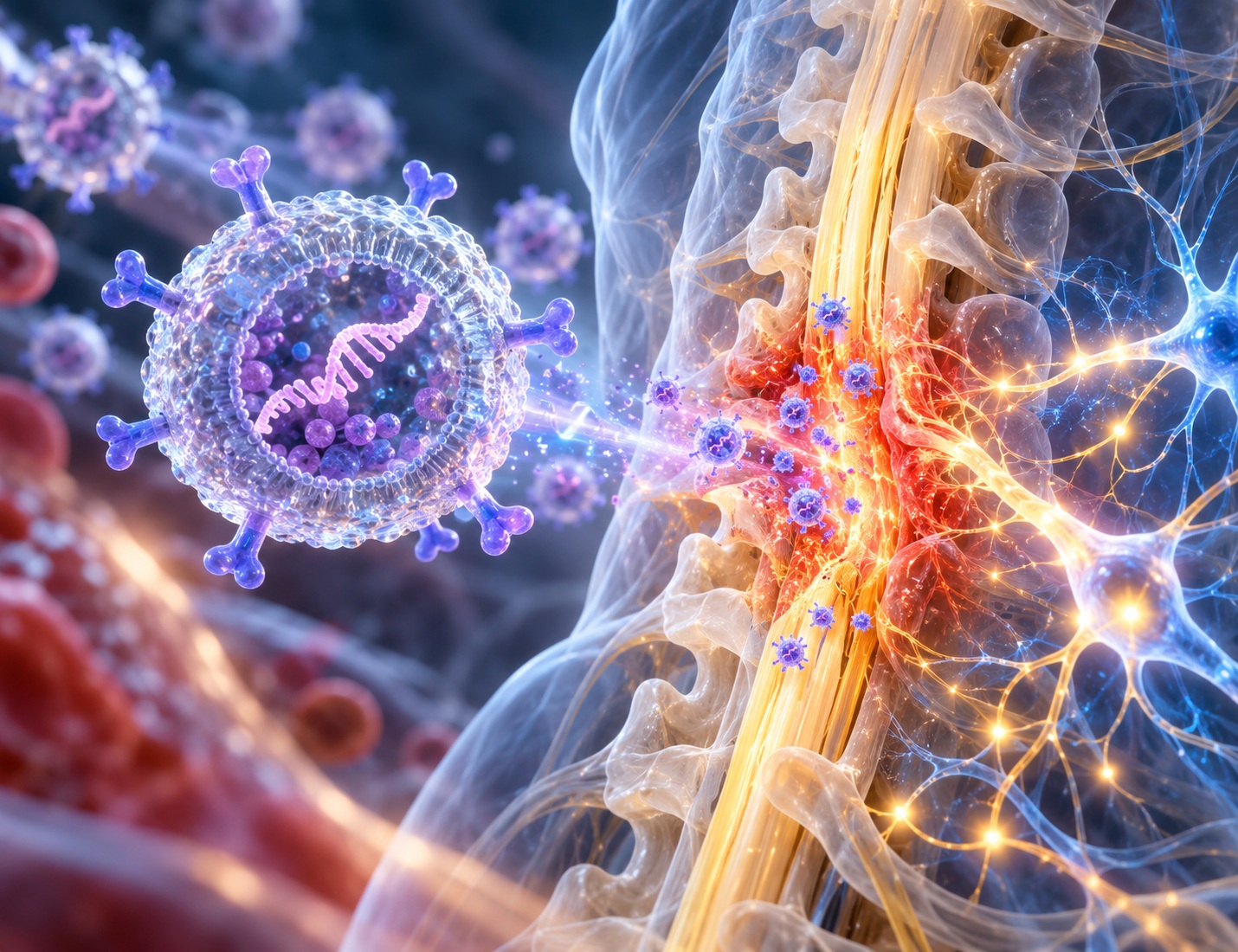
研究團隊將促進神經生長的BDNF信使核糖核酸(mRNA)包覆於微小囊泡中,並在表面加入特殊辨識分子,使其能鎖定脊髓受傷區域,猶如將修復指令直接送往需要的地方。
研究發現,這項技術不僅能調節神經發炎反應,還能減少神經細胞氧化傷害與鐵死亡,協助維持神經細胞健康。
在脊髓損傷動物實驗中,研究團隊透過靜脈注射方式給予治療,觀察到神經組織修復與運動能力改善。
這項成果結合奈米醫學、mRNA技術與神經再生研究,為未來開發非侵入性脊髓損傷治療策略,開啟值得期待的新方向。
New Hope for Spinal Cord Injury Repair: CMU Researchers Develop Targeted Nanomedicine to Promote Neural Regeneration and Motor Recovery
Spinal cord injuries can cause severe muscle weakness, loss of mobility, and even paralysis. Restoring damaged nerve function remains one of the greatest challenges in regenerative medicine.
A multidisciplinary research team involving Ming-You Shie, Cheng-Di Chiu, and Der-Yang Cho of China Medical University (CMU) has published significant findings in the international journal Journal of Nanobiotechnology, introducing an innovative extracellular vesicle platform designed to deliver therapeutic molecules directly to injured spinal cord tissue.
The researchers engineered tiny extracellular vesicles to carry brain-derived neurotrophic factor (BDNF) messenger RNA, a molecular instruction that supports nerve cell survival and regeneration. By modifying the vesicle surfaces with specialized targeting molecules, the team enabled them to recognize and accumulate in injured spinal cord tissue, effectively delivering regenerative signals where they are needed most.
The study demonstrated that this approach could regulate neuroinflammation, reduce oxidative damage, and protect nerve cells from ferroptosis, a form of iron-dependent cell death.
In preclinical animal models of spinal cord injury, intravenous administration of these engineered vesicles promoted neural tissue repair and significantly improved motor function.
This breakthrough highlights the potential of combining nanomedicine, mRNA technology, and neural regeneration to develop targeted, minimally invasive treatments, opening promising new directions for future spinal cord injury therapies.
原文網址:https://pubmed.ncbi.nlm.nih.gov/41749221/
研究團隊|Research Team
中文:
共同第一作者:謝明佑、邱正廸、陳曄
共同通訊作者:謝明佑、周德陽
英文:
Co-first Authors: Ming-You Shie, Cheng-Di Chiu, Yeh Chen
Corresponding Authors: Ming-You Shie, Der-Yang Cho
相關圖片: