破解胰臟癌轉移與免疫逃脫關鍵!中國醫大國際研究團隊發現抗癌治療新靶點
日期:2026-10-27
資料來源:研究亮點|Jingwei Li、Renfei Wu、Xiaohan Jin、 Alexandra Aicher、沈柏用、Christopher Heeschen等研究團隊
分享:


破解胰臟癌轉移與免疫逃脫關鍵!中國醫大國際研究團隊發現抗癌治療新靶點
為什麼胰臟癌容易轉移,而且常常難以透過免疫治療有效控制?科學家正逐步揭開癌細胞逃避人體免疫防禦的關鍵機制。
中國醫藥大學Alexandra Aicher研究團隊參與國際合作研究,在國際癌症研究期刊《Cancer Research》發表重要成果,發現一種名為「FNDC4」的蛋白質,是促進胰臟癌惡化、轉移及免疫逃脫的重要因子。
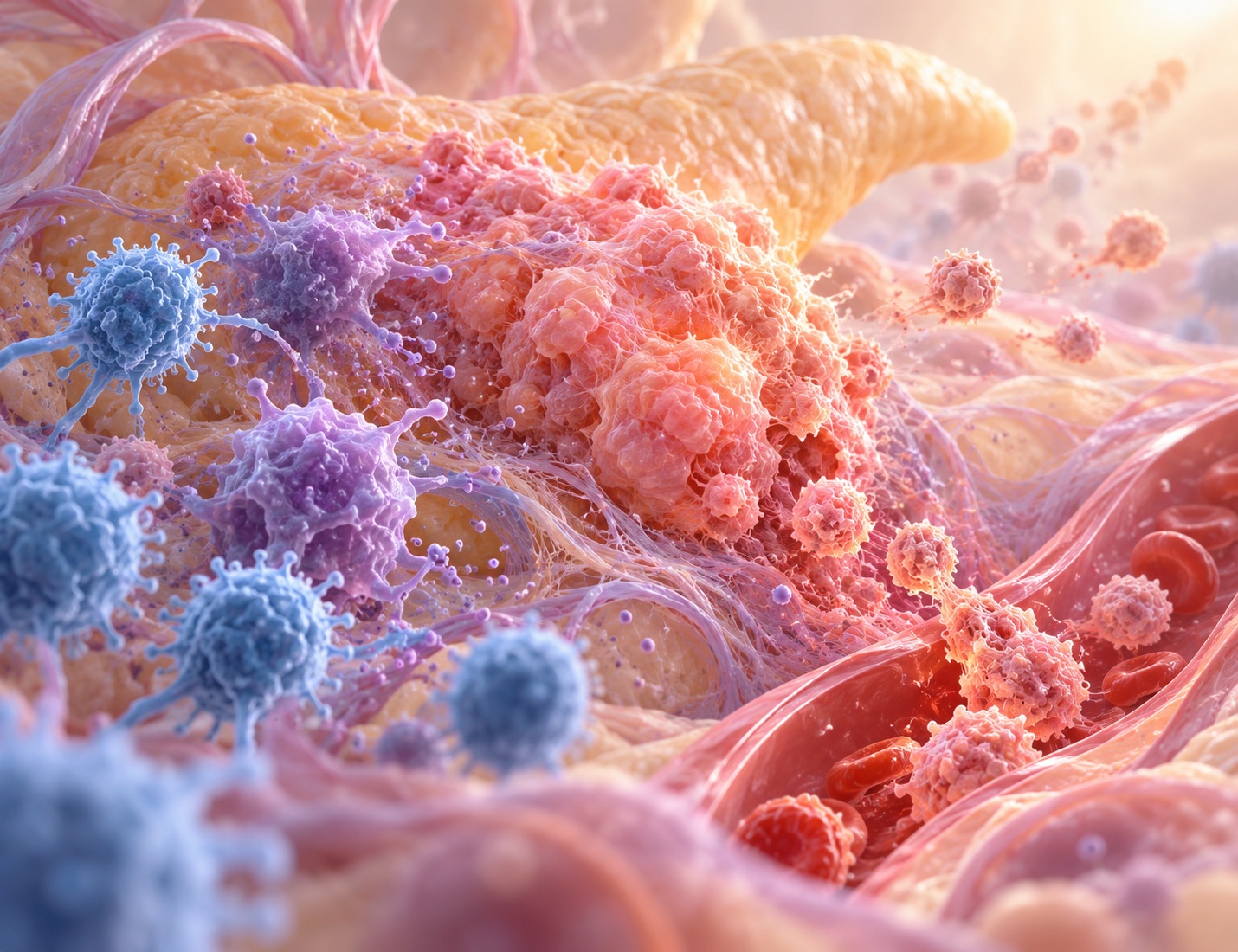
研究發現,FNDC4不僅能增強癌細胞的侵襲與擴散能力,還會改變腫瘤周圍的免疫環境,讓原本應該攻擊癌細胞的免疫細胞難以發揮作用。
更重要的是,研究團隊透過抑制FNDC4,在動物實驗中成功減少腫瘤生長與轉移,並改善免疫細胞的抗癌反應。結合免疫細胞治療或化學治療,更展現進一步提升治療效果的潛力。
這項突破不僅揭開胰臟癌轉移與免疫逃脫的新機制,也為未來開發針對FNDC4的精準抗癌藥物及新型組合療法,開啟重要研究方向。
Uncovering the Key to Pancreatic Cancer Metastasis and Immune Evasion: CMU Researchers Identify a Promising New Therapeutic Target
Why does pancreatic cancer spread so aggressively, and why is it often difficult to control with immunotherapy? Scientists are making important progress in understanding how cancer cells escape the body's immune defenses.
An international collaborative research team involving Alexandra Aicher of China Medical University (CMU) has published significant findings in the prestigious journal Cancer Research, identifying a protein called FNDC4 as a key driver of pancreatic cancer progression, metastasis, and immune evasion.
The study revealed that FNDC4 not only enhances the ability of cancer cells to invade surrounding tissues and spread to other parts of the body but also reshapes the tumor microenvironment, making it more difficult for immune cells to recognize and attack cancer cells effectively.
More importantly, the researchers demonstrated that suppressing FNDC4 reduced tumor growth and metastasis in preclinical models while improving antitumor immune responses. Combining FNDC4 inhibition with immune cell-based therapies or chemotherapy also showed promising potential for enhancing treatment effectiveness.
This breakthrough provides new insights into the mechanisms underlying pancreatic cancer metastasis and immune escape. It also establishes FNDC4 as a promising therapeutic target, opening new possibilities for developing precision cancer treatments and innovative combination therapies to improve future outcomes for patients with pancreatic cancer.
研究團隊|Research Team
中文:
共同第一作者: Jingwei Li、Renfei Wu、Xiaohan Jin
共同通訊作者: Alexandra Aicher、沈柏用、Christopher Heeschen
英文:
Co-first Authors: Jingwei Li, Renfei Wu, Xiaohan Jin
Corresponding Authors: Alexandra Aicher, Baiyong Shen, Christopher Heeschen
相關圖片: